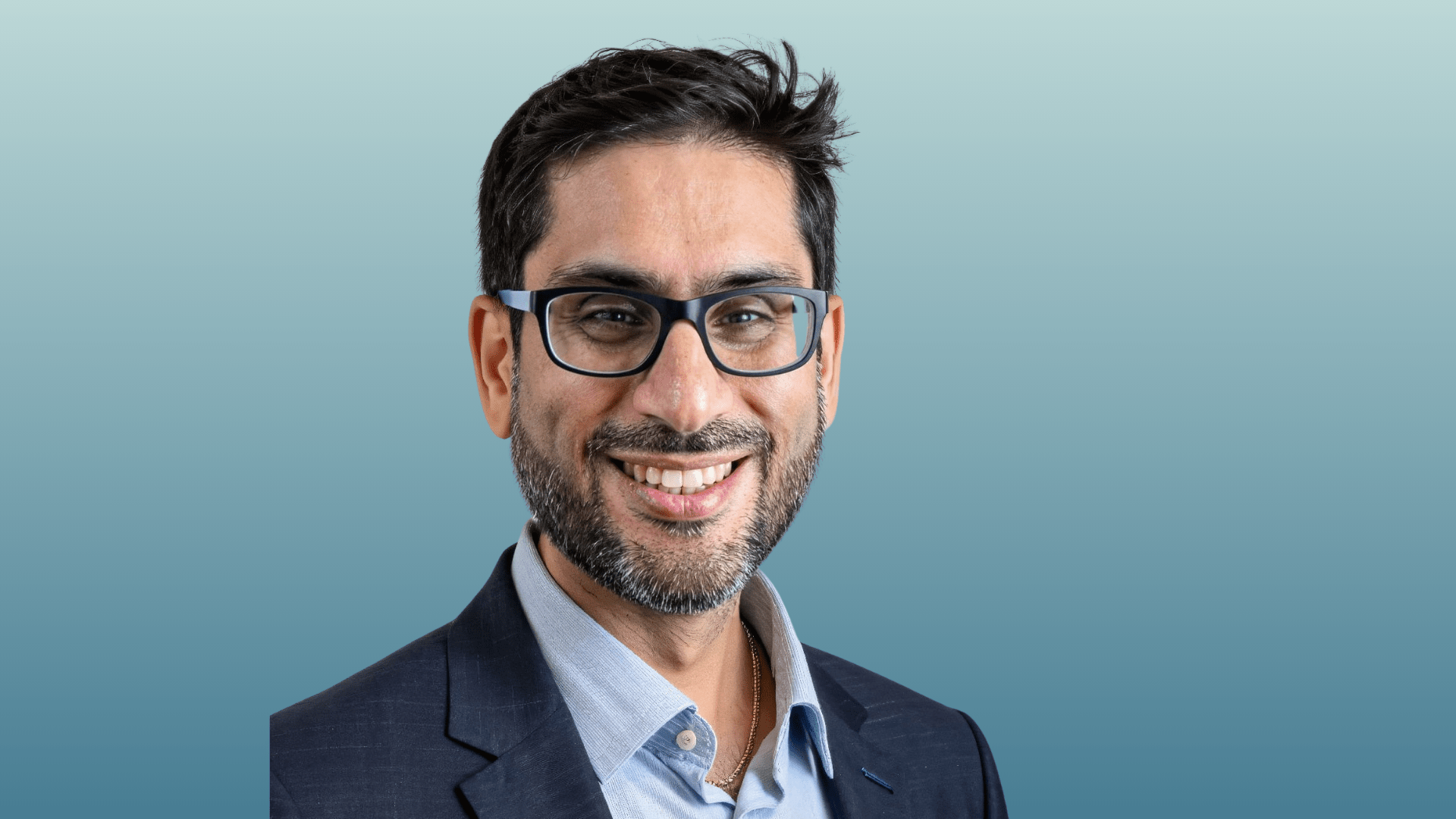
Nikhil Rughani and the New Definition of High Performance in 2026
If you’ve ever felt like “success” came with a side of exhaustion, Nikhil Rughani is the person quietly rewriting the rules.
Nikhil Rughani is an Australian high performance coach, mindset expert, and founder of Steel Lotus, where his work centres on one core idea: peak performance should feel peaceful, not punishing. He helps leaders and entrepreneurs reach sustainable flow states by blending science-backed performance principles with the kind of grounded spirituality that doesn’t require incense, a robe, or a personality transplant.
And yes, he’s one of those rare people who can discuss neuroscience, business strategy, and intuition in the same breath without sounding like a TED Talk parody.
A life shaped by deeper questions
Nikhil’s path into coaching did not start with business frameworks. It started with curiosity, the kind that begins early and refuses to shut up.
From a young age, he was drawn to “deeper truths”, asking questions that others either could not answer or did not want to entertain. That early hunger for meaning became a defining thread in his life and career. He describes it as a long-standing pull towards understanding what makes people tick, and what helps them become the best version of themselves.
There’s also a harder edge to that story.
Nikhil was born in the UK and experienced racial attacks as a child. That kind of experience tends to do one of two things: shrink you, or forge you. For Nikhil, it became a life-level line in the sand. Something about it felt fundamentally wrong, and it shaped a broader mission, to help people live from confidence and wholeness, not insecurity, fear, or the need to squeeze into someone else’s expectations.
Why his career looks “wide and varied”, and why that matters
Nikhil’s career history is not a straight line. It is a layered build.
He has worked across multiple industries and identities, including politics, recruitment, copywriting, marketing, and coaching. He even worked professionally in intuitive fields earlier in life, including Tarot and psychic work, and later built his business foundations through practical skills in sales and marketing.
That variety is not random. It’s how he became the kind of coach who can speak to performance from both sides:
- the human side (identity, purpose, fear, nervous system)
- the business side (strategy, sales, communication, execution)
He also points out something many high performers ignore: sometimes your path takes the scenic route because you are collecting the skills you will need later.
He wanted to be a life coach early on, but the first attempt didn’t land because he lacked the commercial skills to make it work. Later, he fell into copywriting almost by accident, discovered he had natural ability, then built the marketing and sales foundation that ultimately made his coaching work more powerful and sustainable.
In his words, it took him around 15 years to fully arrive where he first intended to go. Not a failure. A build.
Trusting intuition, even when it makes no logical sense
A consistent theme in Nikhil’s approach is trust.
He describes a pattern in his life where opportunities tend to come to him, and he feels a strong internal “yes” before he can logically explain it. Sometimes it doesn’t make sense on paper. Sometimes it’s counter-logical. But he’s learned that resisting those nudges only makes the journey longer.
It’s not blind faith. It’s self-trust built through experience.
He puts it simply: when he ignores that internal guidance, it still happens… it just takes longer.
For leaders who are stuck in analysis paralysis, this is one of his most valuable messages: you can’t spreadsheet your way into alignment.
The difference between hustle and peak performance
Nikhil draws a sharp line between hustle culture and real high performance.
Hustle is force. It’s pushing harder, longer, and louder with no clear definition of when to stop. It’s working against your biology until something snaps.
Peak performance is alignment. It’s working with your biology, psychology, and neurology, and respecting the limits of the human nervous system.
He frames peak performance as the practice of honouring how your body and brain actually function. That includes things like:
- working with your circadian rhythms (your natural energy cycles)
- knowing when you are most alert and most creative
- tracking what depletes you and what restores you
- building recovery rituals, not just productivity systems
This isn’t theory for him. He learned it the hard way.
Earlier in his career, a season of intense hustle impacted him physically and emotionally and landed him in hospital. As a single dad, the reality of being vulnerable while caring for a young daughter hit hard. That experience became a turning point: real high performance must include recovery, or it becomes self-destruction dressed as ambition.
His tagline captures it perfectly:
Don’t hustle harder. Flow stronger.
Why recovery is not optional
Nikhil teaches that flow states are powerful, but they are not meant to be permanent. If you try to live in peak output all the time, you don’t just burn out, you burn up.
That’s why his work consistently returns to recovery as a skill:
- more sleep when your body needs it
- time alone when your nervous system is overloaded
- space away from people and stimulation
- routines that restore energy, not just manage tasks
This is what makes his coaching different from the typical “do more, be more” performance crowd. He does not romanticise depletion.
Fear, success, failure, and the trap that keeps people stuck
When asked about fear of success, Nikhil widens the lens: it’s not just fear of success or fear of failure, it’s fear itself.
Fear can motivate action, but it is not sustainable fuel. Chronic fear keeps the body flooded with stress hormones like cortisol and adrenaline, designed for short-term survival, not long-term leadership.
He also draws an important distinction between actual fear and perceived fear.
We are no longer being chased by predators, but the nervous system reacts to modern stressors like rejection, judgement, and uncertainty as if they are life-threatening. That mismatch is part of why high performers can look successful while feeling constantly on edge.
One of his favourite reframes comes from NLP:
- There is no failure, only feedback.
And the expanded version he now uses:
- There is no success either, only feedback.
That shift removes ego, removes shame, and turns growth into data. You do more of what works, less of what doesn’t. You stay present. You keep moving.
Science, spirituality, and why he refuses to choose
Nikhil’s work is rooted in science, but he does not separate science from spirituality. He argues that both are seeking truth, one through research and experimentation, the other through experience.
In his world, spirituality in business is not a performance. It’s not dogma. It’s an experience, and it should be accessible.
He uses a practical model for business growth:
- Strategy (the base layer, where most people keep trying to “fix” things)
- Mindset (where growth expands, until you eventually outgrow your current thinking)
- Energetics (where alignment, intuition, purpose, and identity create the shift that strategy can’t)
He is clear that he’s grounded when working with business leaders, but he is also open about the tools he personally uses: rituals, chakra rebalancing, incense, energetic healing modalities, and light language when clients are deeply blocked.
The key point is this: he demystifies it. He makes it usable. He makes it normal.
What Nikhil Rughani is building in 2026
In 2026, Nikhil is stepping into a new chapter: training others.
He is creating a pathway for people to become peak performance coaches and consultants in their own right, using the systems, frameworks, and intellectual property he’s developed over 20 years across copywriting, sales, marketing, neuroscience-led performance, and energetics.
It’s the full-circle moment for the “teacher inside” he has spoken about for years: a move from doing the work solely one-to-one, to building the next generation of practitioners who can deliver transformation through their own lived experience and leadership.
The heart of his message
If you boil Nikhil Rughani’s work down to one truth, it’s this:
You do not need to suffer to succeed.
High performance isn’t about proving yourself. It’s about knowing yourself.
It’s about trusting your internal compass, building a nervous system that can hold your ambition, and creating results without sacrificing your wellbeing to get there.
And if you’re stepping into a new season in 2026, his advice is blunt and brilliant:
Trust yourself. Follow the pull. Regret is a terrible long-term business strategy.